The Bałtyk 2 and Bałtyk 3 offshore wind farms are growing fast both onshore and offshore
The first phase of the subsea rock installation campaign to protect the seabed has been completed, further progress has been made in the construction of the operations and maintenance base in Łeba, works are advancing at the onshore substations near Ustka where the first two transformers have already been delivered, and the majority of the onshore export cable route has been installed. This reflects the project status at the end of Q1 2026 for Bałtyk 2 and Bałtyk 3, jointly developed by Equinor and Polenergia. Progress captured in video materials illustrates the parallel development of the projects across multiple locations.
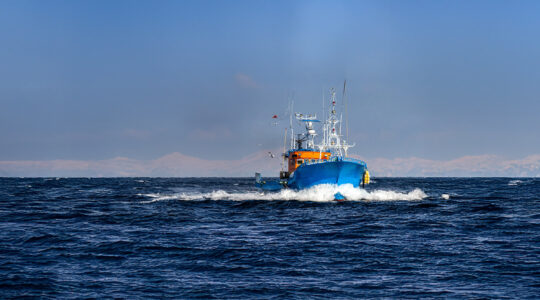
In January 2026 we began the first phase of the offshore installation campaign, involving the deployment of specialized vessels. These units are responsible for Subsea Rock Installation on the seabed – an activity of critical importance for the safety and integrity of the infrastructure. In total, more than one million tonnes of material will be installed at the offshore construction site to protect export and inter-array cables, as well as turbine foundations, against the impact of waves and sea currents.
Fabrication, assembly, and preparations for the phased transport of infrastructure components are ongoing at numerous facilities in Poland and abroad. These include monopiles, transition pieces, subsea cables and components of offshore substations. In addition, the production of offshore wind turbine towers for the Bałtyk 2 project has commenced. The offshore installation phase in the Baltic Sea will begin shortly, starting with the installation of monopiles and transition pieces. In the following months, installation of export cables and inter-array cables will be carried out.
Significant progress is also being made onshore. The onshore substations (ONS) for Bałtyk 2 and Bałtyk 3 in Pęplino, Ustka municipality, will be equipped with two transformers rated at 450 MVA each and weighing 352 tonnes each. Further finishing works and installation of electrical equipment are ongoing. At the same time, grid connection infrastructure to the national power grid is being developed. The current completion rate for the 220 kV line is close to 80%, while for the 400 kV line stands at approximately 90%. At the cable landfall section, trenchless drilling works are being carried out using the HDD (Horizontal Directional Drilling) method.
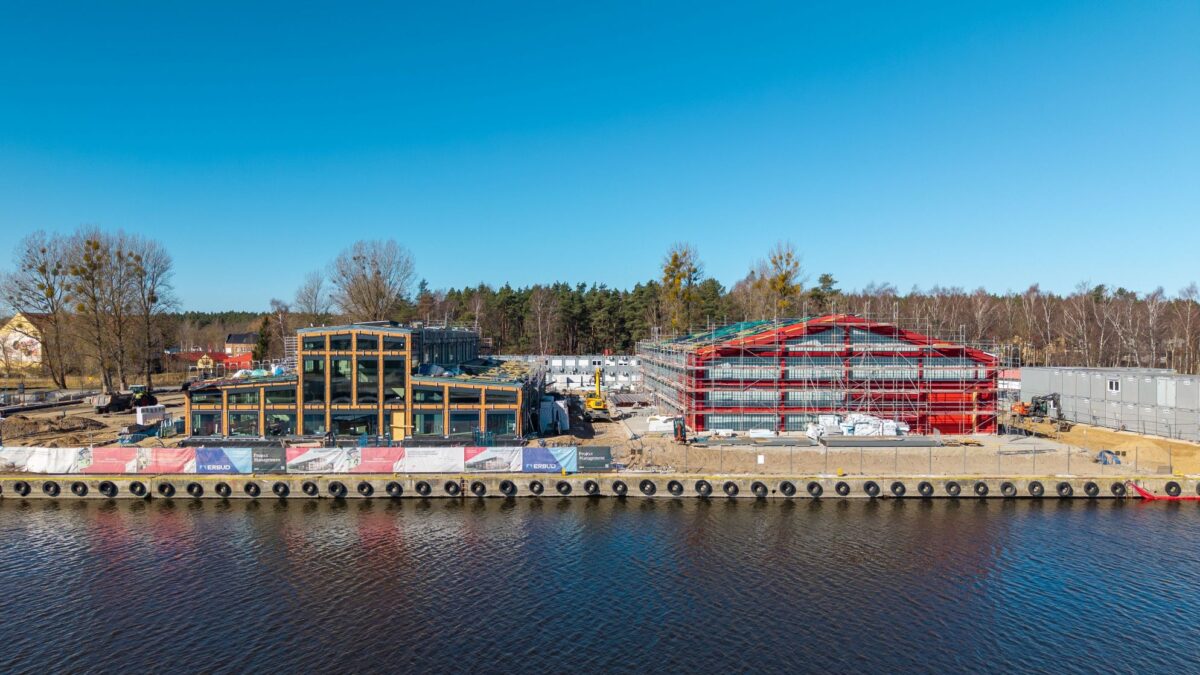
A key element of the onshore infrastructure is the O&M base under construction in Łeba, which will serve as the hub for managing and servicing offshore wind farms. The facility is currently in the final stage of construction, including the installation of modern technical and warehousing infrastructure. The site will include a spare parts warehouse, office facilities with a remote-control center for the wind farms, and a quay for vessel handling. Recruitment of the operational team responsible for the day-to-day functioning of the wind farms is also underway.
The Bałtyk 2 and Bałtyk 3 offshore wind farms, developed by Equinor and Polenergia, will have a combined capacity of 1,440 MW and will supply renewable energy to over 2 million households in Poland. First power is expected to be delivered to the grid in 2027, with full commercial operation scheduled for 2028.
Podobne wpisy

Equinor and Polenergia invite to take part in the ‘Local Initiatives Powered by Wind’ contest
Summer activities of the Bałtyk projects support the promotion of Pomerania