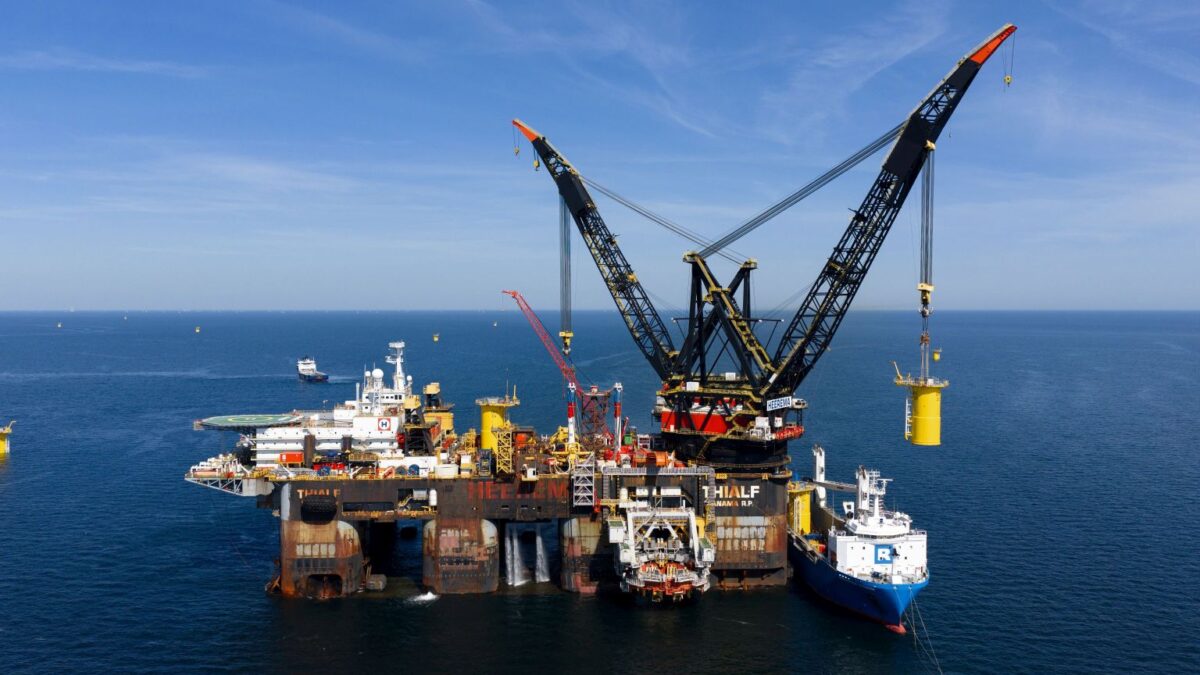
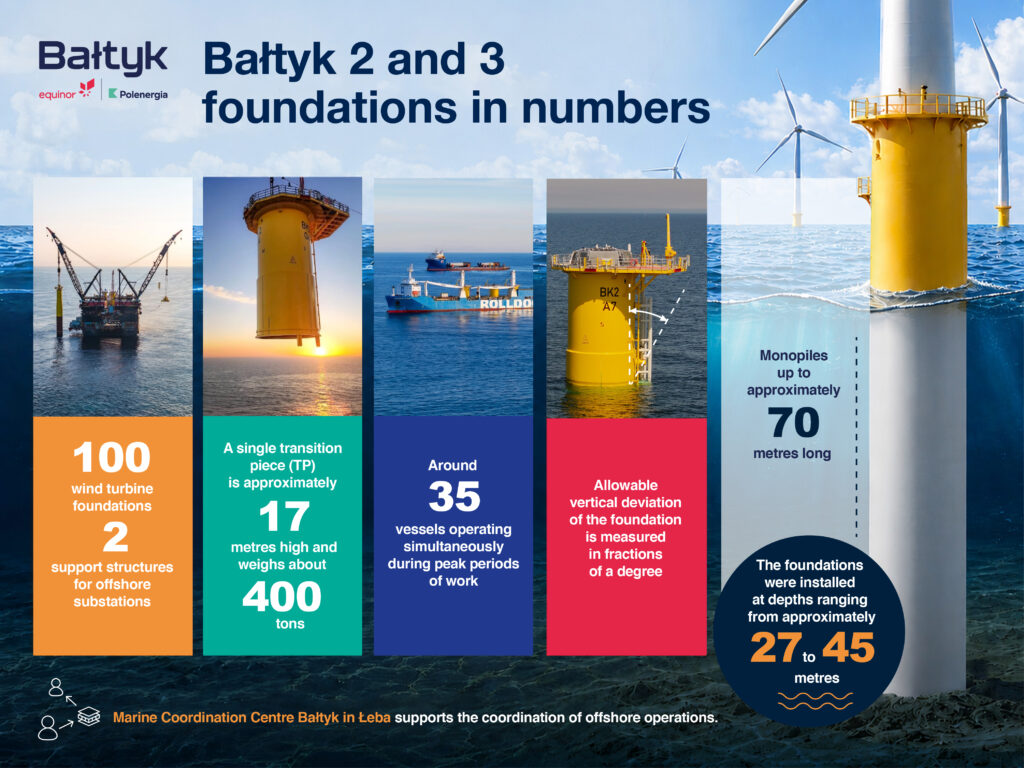
Foundation installation for all 100 wind turbines and both offshore substations at the Bałtyk 2 and Bałtyk 3 offshore wind farms with a combined capacity of 1,44 GW has been completed. This marks the successful completion of a multi-month offshore installation campaign that crowned several years of technical, engineering and logistical preparations carried out by Equinor and Polenergia Group.
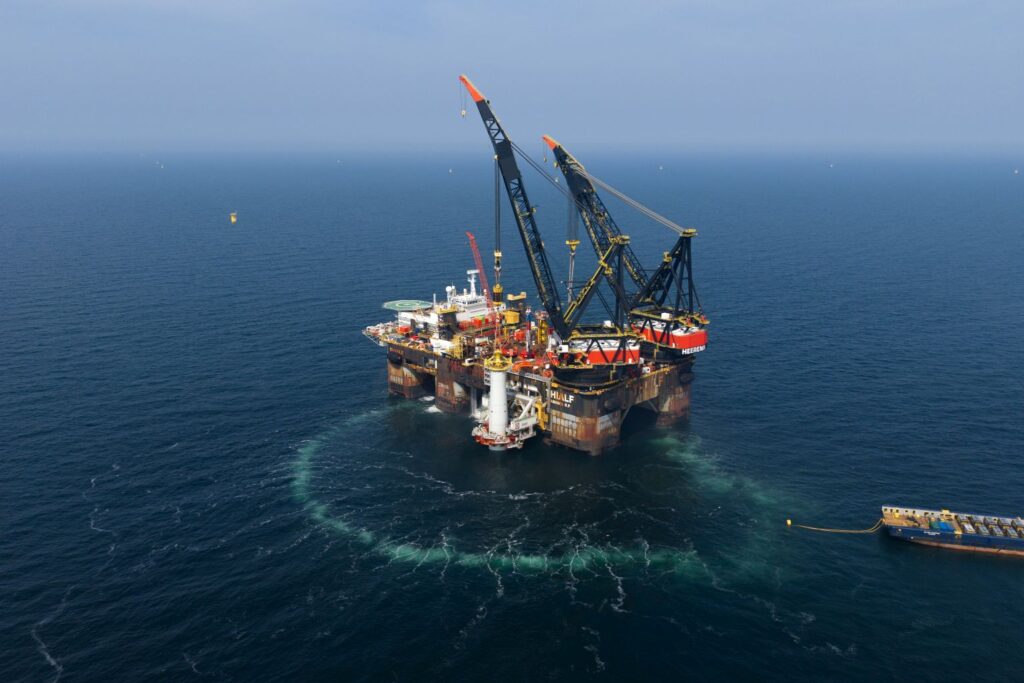
At the peak of the campaign, around 35 vessels were operating simultaneously across the construction area, supported by hundreds of specialists working both offshore and onshore. Among them was Thialf, one of the world’s largest heavy-lift vessels, measuring more than 200 by 88 metres and operated by Heerema, which was responsible for installing the turbine foundations and the support structures for both offshore substations. The completion of foundation installation marks an important project milestone, while many other elements of the construction program continue in parallel. For the first time, the full layout of both wind farms is now visible offshore, with foundation locations for all turbines and offshore substations already in place. All installation works were carried out in compliance with environmental requirements and alongside ongoing environmental monitoring activities offshore. The campaign was carried out to the highest safety standards, demonstrating the expertise and organizational excellence required to deliver world-class offshore projects.
Foundation installation itself represented only one element of a much broader undertaking. At the same time, export cables were being installed and brought ashore, preparations for inter-array cable installation, seabed infrastructure protection works were underway, and preparations for the next phases of offshore construction were progressing. Meanwhile, manufacturing of key project components continued at production facilities, while onshore infrastructure required to connect the wind farms to Poland’s electricity grid was also advancing. The port of Łeba, along with the operations and maintenance base under development there, made a significant contribution to the installation campaign. These facilities are already supporting vessels involved in the construction of the Equinor and Polenergia wind farms.
"The completion of foundation installation is a clear demonstration of the progress being made offshore. Behind every foundation are years of preparation, the efforts of hundreds of specialists, and close collaboration between teams offshore and onshore. Reaching this milestone has been possible thanks to strong offshore expertise and an unwavering focus on safety and quality," said Michał Jerzy Kołodziejczyk, Country Manager of Equinor in Poland.
"Building an offshore wind farm is a project where every element depends on the others. Foundations, cables, offshore substations, onshore infrastructure and marine logistics all need to progress in parallel and in a coordinated manner. Delivering a project of this scale requires close collaboration across multiple teams and the systematic development of capabilities throughout Poland’s offshore wind sector. Poland’s first offshore wind projects, including Bałtyk 2 and Bałtyk 3, are therefore doing more than delivering new energy infrastructure. They are also helping to build specialist expertise, strengthen local content and develop industrial potential for decades to come" commented Adam Purwin, President of the Management Board of Polenergia.
Construction of both projects continues simultaneously offshore and onshore, with export cable installation, substation development and turbine preparations all progressing towards first power in 2027.
What happens behind the scenes of an offshore wind farm project
The most visible part of foundation installation means seeing a large vessel at sea and a steel structure emerging above the waterline. In reality, it is one of the most demanding phases of offshore wind farm construction.
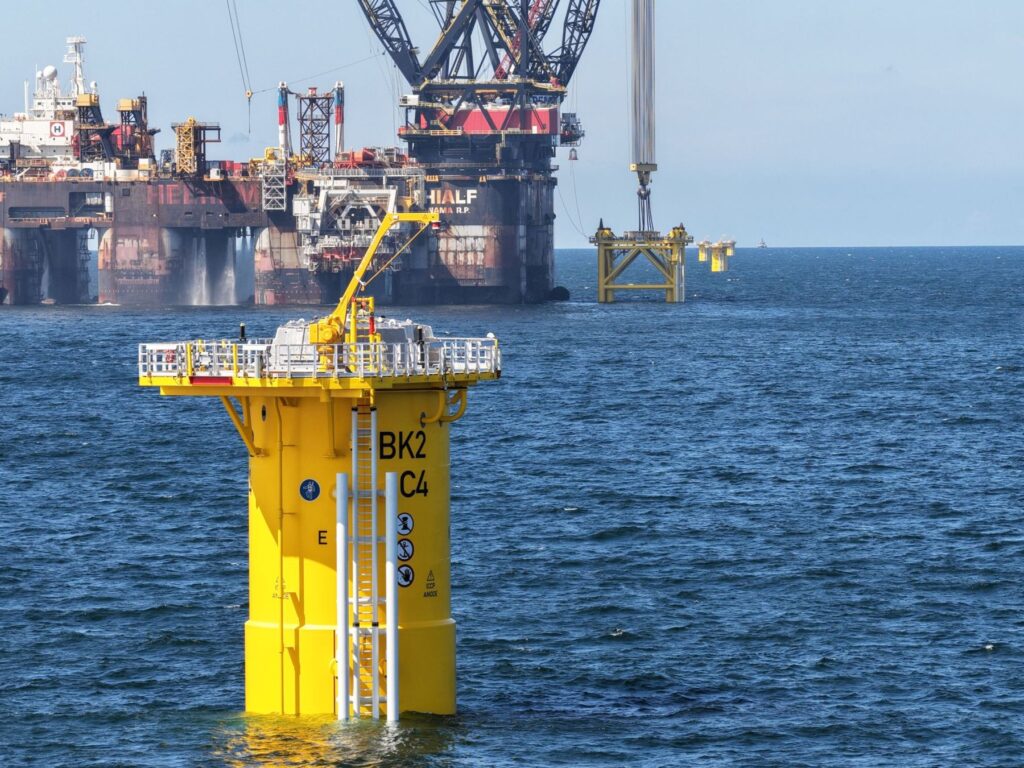
Each turbine foundation consists of a monopile driven into the seabed and a transition piece mounted on top, which connects the foundation to the future turbine tower. It is on these assemblies that the wind farm towers and turbines will be installed in 2027. For the Bałtyk 2 and Bałtyk 3 projects, monopiles are up to 70 metres long. The transition pieces are approximately 17 metres high and weigh around 400 tonnes. Importantly, the transition pieces were delivered and installed together with most of the permanent equipment already mounted on them, including working platforms, access systems and boat landings for crew transfer operations. The installation of each transition piece takes place immediately after the monopile is driven into the seabed, significantly reducing the scope of subsequent offshore works.
Each of the one hundred advanced turbines will have an installed capacity of 14.4 MW and a height of 260 metres. A single rotation of the blades of one such turbine can generate enough electricity to cover a household’s electricity demand for four days.
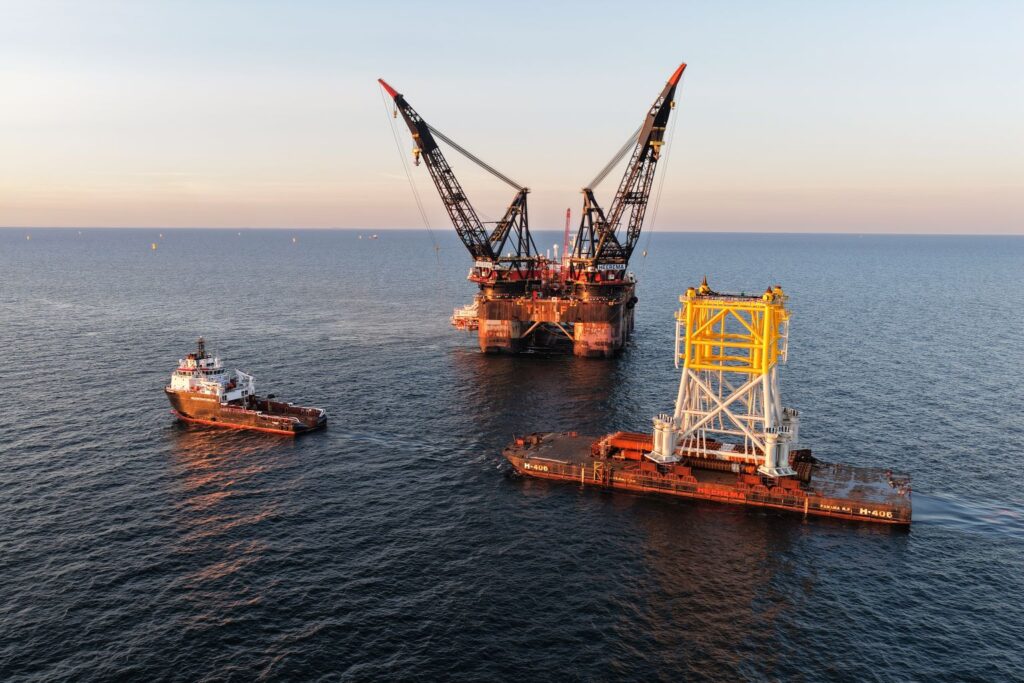
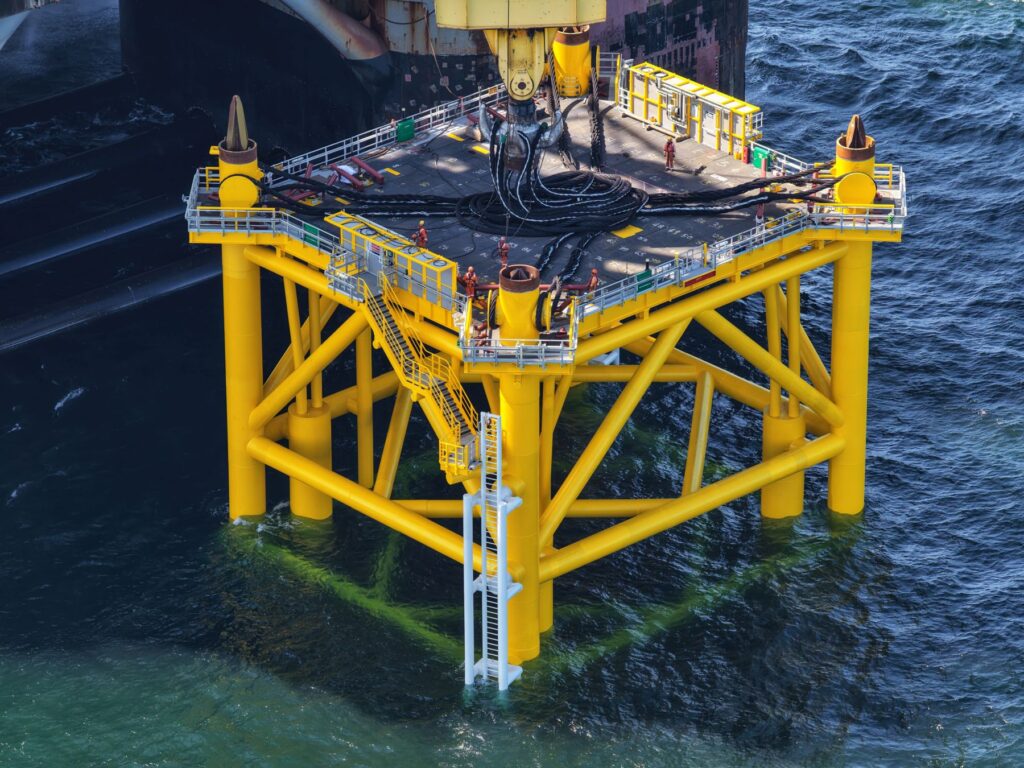
Alongside the turbine foundations, support structures (jackets) for two offshore substations were also installed. These substations will ultimately collect and transmit electricity generated by the wind farms to shore. The jackets measure approximately 30 by 30 metres and stand around 50 metres high. Each structure weighs around 3,500 tonnes and is secured to the seabed using eight piles. In the next phase, the offshore substation topsides will be installed on top of these foundations.
A significant portion of the work takes place beyond the reach of the human eye. Remotely operated vehicles (ROVs) play a key role in seabed inspections, infrastructure monitoring and quality control. For offshore teams, they serve as “eyes and ears” beneath the surface of the sea, providing a real-time view of infrastructure located tens of metres underwater.
Foundations must be installed with exceptional precision. Despite operations being carried out in an open marine environment subject to waves, wind and currents, allowable deviations are measured in fractions of a degree.
Once operational, the Bałtyk 2 and Bałtyk 3 offshore wind farms will be capable of generating enough renewable electricity to meet the annual demand of more than 2 million households. First power from the projects is planned for 2027, with full commercial operations expected in 2028.
Podobne wpisy

First projects submitted. Applications for Equinor and Polenergia contest open until 23 October

Equinor and Polenergia invite to take part in the ‘Local Initiatives Powered by Wind’ contest